
Shanghai Foreign Concessions: The Untold Story of China's 'Foreign City'
Discover how foreign powers controlled parts of Shanghai from 1845-1943. Explore the history, daily life, and lasting legacy of the Shanghai foreign concessions that shaped modern China.
Posted by
 Vangelis
Related reading
Shanghai's Literary Revolution: How Writers Transformed a City Into the Paris of the East
Discover how Shanghai intellectuals and writers like Lu Xun and Eileen Chang transformed Chinese literature through revolutionary approaches, creating a lasting literary legacy that bridges East and West.
Discover the fascinating history of Shanghai's treaty port era. Learn about foreign concessions, daily life, architecture, and how this period shaped modern Shanghai. Includes interactive timeline, maps, and expert resources.
Twenties Era Shanghai: The Ultimate Guide to the Paris of the East
Discover the magic of twenties era Shanghai — the glamorous nightlife, stunning fashion, jazz clubs, and the fascinating blend of East meets West that made it the Paris of the East.
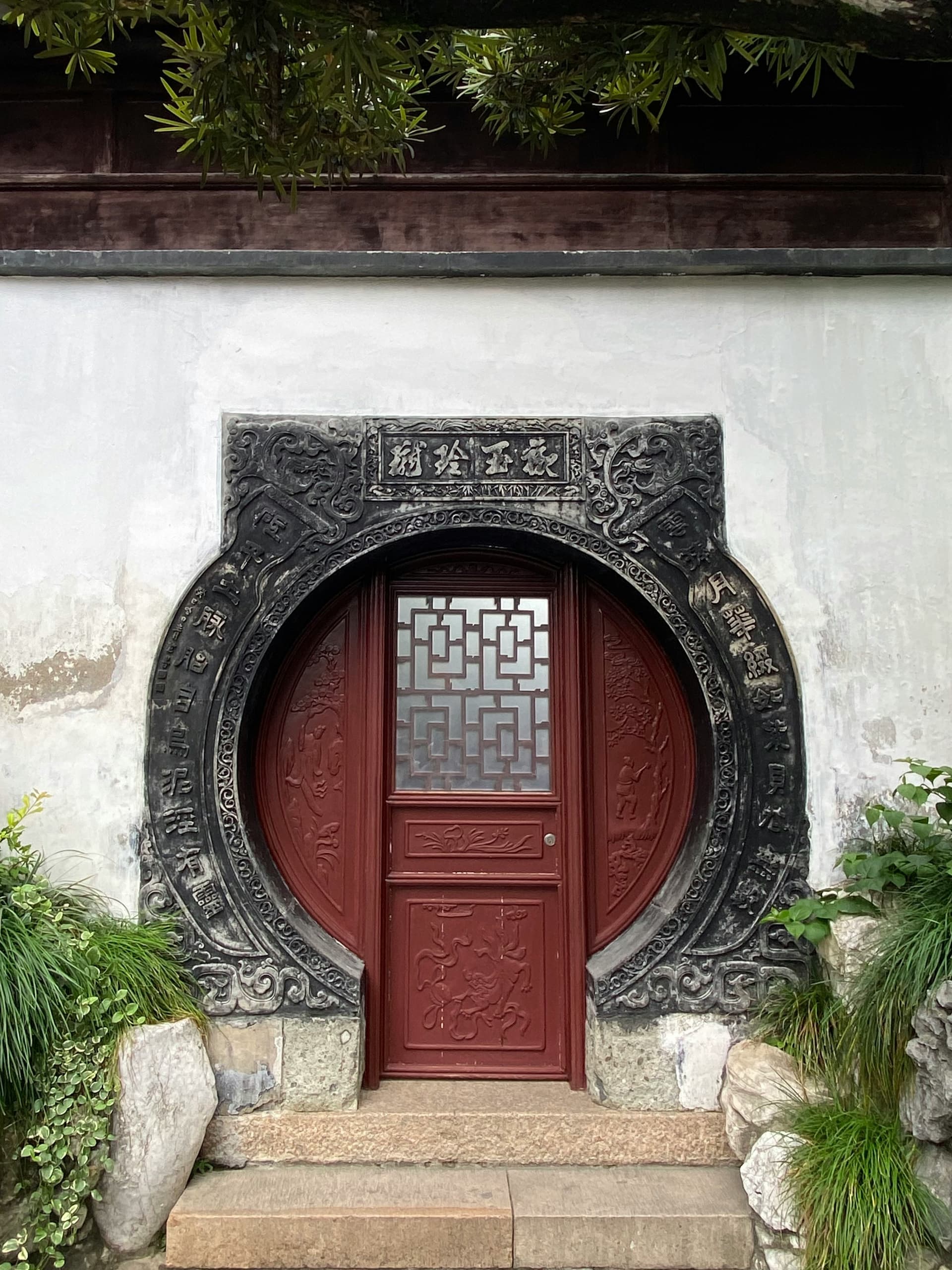
Ever wonder how foreign countries once controlled parts of China's biggest city? From 1845 to 1943, pieces of Shanghai weren't really Chinese at all. They had their own laws, police, and governments—run by Britain, France, and other foreign powers. This is the fascinating story of the Shanghai foreign concessions, a unique chapter in history that shaped the city we know today.
What Were the Shanghai Concessions? 🏙️
Think of the Shanghai concessions as mini-countries inside China. Foreign nations literally took over neighborhoods in Shanghai and ran them like their own territory.
Here's the simple version: After China lost wars to European powers in the 1840s, it had to sign "unequal treaties." These treaties forced China to let foreigners live in special zones called concessions in certain Chinese cities. Shanghai became the most famous example.
The Three Main Foreign Concessions
Simplified map showing the approximate locations of Shanghai's foreign concessions (not to scale)
Three main areas existed:
- The International Settlement (British and American merged)
- The French Concession (stayed separate)
- Japanese-controlled areas (came later)
These zones had their own courts, police forces, and even currencies. Chinese laws didn't apply inside them. Sounds crazy, right? Yet this system lasted nearly 100 years and turned Shanghai into one of the world's most exciting cities.
Key Timeline at a Glance
98 years of foreign control that transformed Shanghai forever
How Did Foreign Powers Get Control of Shanghai? ⚓
The Opium Wars Changed Everything
To understand the Shanghai foreign concessions, we need to go back to the 1830s. China was a closed country back then. The emperor didn't want foreign trade or influence. But Britain had other ideas.
British merchants were selling opium (a dangerous drug) to Chinese people and making huge profits. When China tried to stop this illegal drug trade, Britain went to war. Yes, Britain actually fought a war to keep selling drugs to China. This was the First Opium War (1839-1842).
China lost badly. Its old-fashioned military couldn't compete with British steam-powered warships and modern weapons.
The Treaty That Changed China's Future
After losing the war, China had to sign the Treaty of Nanking in 1842. This treaty was a disaster for China:
- China had to open five "treaty ports" to foreign trade
- Shanghai was one of these ports
- Foreigners could live in these cities
- China had to pay Britain huge amounts of money
- Foreigners got "extraterritoriality" (they couldn't be tried under Chinese law)
Why Shanghai specifically? Location, location, location! Shanghai sat at the mouth of the Yangtze River—China's main highway into the interior. Any foreign power controlling Shanghai could trade with half of China. It was the perfect spot.
📺 Watch: The Opium Wars Explained
Understanding the Opium Wars helps explain how the Shanghai foreign concessions came to exist
The First Concession: Britain Plants Its Flag
In November 1843, the first British diplomat arrived in Shanghai. Back then, Shanghai was just a mid-sized walled city, nothing special. But the British saw its potential.
By 1845, the British had negotiated their concession. They got a strip of land along the Huangpu River (now called The Bund). The area was mostly mud flats and small Chinese settlements.
The treaty said Chinese people living there had to move out or become "tenants" of the foreign settlement. The British set up their own government called the Shanghai Municipal Council. Chinese people had no say in this government, even though it was on Chinese soil.
Can you imagine foreign countries doing this today? It's hard to believe it actually happened.
The Three Main Foreign Concessions 🗺️
The British Concession (Later International Settlement)
The British area started small but grew fast. By the 1860s, it stretched from the river inland and covered several square miles.
Who lived there? At first, mostly British merchants and their families. But soon, Americans, Germans, and other Europeans moved in too. By the 1920s, you'd hear dozens of languages on the streets.
What did they build? Everything! Banks, hotels,churches, racecourses, and beautiful European-style buildings. The waterfront area (The Bund) became lined with grand buildings that looked like they belonged in London or Paris, not China.
Daily life in the British concession meant following British customs. People dressed in Western clothes, drank afternoon tea, and played cricket. Signs were in English. Police wore British-style uniforms. Walk down the street, and you might forget you were in China.
Famous buildings still standing:
- The Hong Kong and Shanghai Bank building (now Pudong Development Bank)
- The Customs House with its clock tower
- The Peace Hotel (formerly Cathay Hotel)
- Many Art Deco apartment buildings
The American Concession (Merged 1863)
Americans arrived shortly after the British and got their own concession north of the British zone in 1848. But the American area stayed small and underdeveloped.
In 1863, the British and American concessions merged to form the International Settlement. This became the largest and most powerful foreign zone in Shanghai.
Why merge? Practical reasons, mostly. The Americans didn't have enough people to run their own concession properly. Combining resources made sense. Plus, both spoke English and shared similar interests.
The French Concession
France wanted its own piece of Shanghai and got it in 1849. The French concession sat south of the International Settlement, separated by a small creek (now Yan'an Road).
Why did France stay separate? Pride, mainly. The French didn't want to share power with the British. They wanted their own "Little Paris" in China.
And they succeeded! The French Concession developed a completely different character from the International Settlement:
- Tree-lined avenues instead of busy commercial streets
- More residential and peaceful
- French-style villas with gardens
- Cafés and bistros serving French food
- Street signs in French
Walking through the French Concession felt like visiting a small French town. The French even brought in plane trees from France to line the streets. Many of these same trees still shade Shanghai neighborhoods today! 🌳
📺 Watch: 1930s Shanghai - The Paris of the East
Rare historical footage showing life in the Shanghai foreign concessions during their golden age
What Was Daily Life Like in Foreign Shanghai? 🎭
A City Within a City
Imagine walking down a Shanghai street in 1930. You cross an invisible line, and suddenly:
- The police uniforms change
- The street signs switch languages
- Different laws apply to you
- Even the sidewalks look different
That's what crossing from Chinese Shanghai into the foreign concessions felt like.
Life Inside vs. Outside the Concessions
The Rich and the Poor 💰
The Shanghai concessions showed extreme inequality.
The wealthy lived in incredible luxury:
- Massive mansions with servants' quarters
- Private gardens and swimming pools
- Memberships in exclusive clubs
- Chauffeur-driven cars
- Glamorous parties and social events
The poor lived very differently:
- Crowded into tiny apartments or shacks
- Chinese workers served foreign families as maids, gardeners, drivers, cooks
- Low wages and no legal protections
- Often refugees fleeing war and poverty in other parts of China
- Segregated from foreign social life
Racism was real and ugly. Many private clubs and parks excluded Chinese people entirely. The famous Shanghai Club (now the Waldorf Astoria Hotel) had a strict "whites only" policy for decades. Chinese people entering certain buildings had to use separate entrances and elevators.
Entertainment and Culture 🎷
Despite the inequality, Shanghai's foreign concessions created an amazing cultural scene in the 1920s and 1930s. The city earned the nickname"Paris of the East"or the "Whore of the Orient" (because of its wild nightlife).
Entertainment included:
- Jazz clubs where Chinese and foreign musicians played together
- Dance halls with Chinese taxi dancers (women paid to dance with customers)
- Cabarets with shows that would shock conservative audiences
- Movie theaters showing Hollywood and Chinese films
- Horse racing at the Shanghai Race Club (now People's Square!)
- Ballroom dancing competitions
How Did Chinese People Feel About Foreign Control?
Resentment and Resistance
Not surprisingly, most Chinese people hated the foreign concessions. The system represented China's humiliation and loss of sovereignty.
The "unequal treaties" that created the concessions became a symbol of everything wrong with China in the late 1800s and early 1900s. Nationalist movements grew stronger, demanding China take back its dignity.
The "Dogs and Chinese Not Admitted" myth: You've probably heard about a sign in a Shanghai park that said "No Dogs or Chinese Allowed." This is partly true but exaggerated. The real sign at the entrance to Huangpu Park (in the International Settlement) listed several rules, including "No dogs" and "No Chinese" as separate rules. It never said those exact words together, but the effect was the same—Chinese people were banned from a park in their own country. Can you imagine how insulting that felt? 😤
Economic Opportunities 💼
Here's where the story gets complicated. Many Chinese people also benefited from the foreign concessions.
The positive side:
- Safety: When civil wars raged across China, the concessions stayed peaceful
- Rule of law: Though unfair, the legal system was more predictable than warlord rule
- Economic growth: Shanghai became China's richest city thanks largely to foreign trade
- Modern infrastructure: Running water, electricity, paved roads—luxuries in 1920s China
- Education: Foreign-run schools and universities offered modern education
So Chinese feelings about the Shanghai foreign concessions were mixed. Hatred of foreign control mixed with appreciation for opportunities and safety. It's not a simple story of good guys and bad guys—it's complicated, messy, and very human.
How Did the Concessions Come to an End? 🏁
World War II Changes Everything
The beginning of the end came with Japan's invasion of China in 1937.
Japanese forces attacked Shanghai in August 1937. The Battle of Shanghai lasted three months and killed hundreds of thousands of people. The Chinese army fought hard but eventually retreated.
Japanese troops occupied Chinese-controlled areas of Shanghai but initially left the foreign concessions alone. Why? Japan didn't want to fight Britain, France, and America—yet.
Everything changed on December 7, 1941—Pearl Harbor.
Hours after attacking Pearl Harbor, Japanese forces occupied the American and British areas of Shanghai. The party was over. Japanese military now controlled everything except the French Concession (because France had surrendered to Germany, Japan's ally).
The Final End of Foreign Control
In 1943, Britain and the United States officially gave up their concessions in Shanghai. Why? They needed China as an ally against Japan. Holding concessions in China looked hypocritical when claiming to fight for freedom against fascism.
The final, final end came in 1949 when the Communist People's Liberation Army entered Shanghai. The Nationalist government fled to Taiwan. Foreign businesses left. The era of foreign Shanghai was truly finished.
📺 Watch: Walking Through Historic Shanghai Today
See what remains of the Shanghai foreign concessions today and how the architecture has been preserved
What's Left Today? The Lasting Impact 🏛️
Architecture You Can Still See
Here's the amazing thing: Despite everything, much of the old concession architecture survived!
Today, you can still walk through neighborhoods that look remarkably like 1930s Shanghai. The Communist government eventually realized these buildings were valuable historical treasures.
Top areas to explore:
- The Bund - The famous waterfront still has its grand 1920s and 1930s buildings
- The Former French Concession - Tree-lined streets with 1920s and 1930s villas
- Art Deco gems - The Peace Hotel, Park Hotel, Paramount Ballroom
Cultural and Economic Legacy 💡
The Shanghai foreign concessions shaped modern Shanghai in deep ways:
- International character: Shanghai still feels more international than other Chinese cities
- Banking and finance tradition: Shanghai is reclaiming its role as Asia's financial center
- Cosmopolitan culture: Shanghai people are known for being sophisticated and worldly
- Urban planning: Modern city planning concepts were introduced during the concession era
Visiting History Today 🚶
Want to experience Shanghai's foreign concession history yourself?
- Walk The Bund - Go in the evening when buildings are lit up
- Explore the Former French Concession - Rent a bike and cruise the tree-lined streets
- Visit museums - Shanghai History Museum, Jewish Refugees Museum
- Take a walking tour - Learn the stories behind the buildings
- Look up! - The best Art Deco details are often on upper floors
Why This History Matters Today 📚
The Shanghai foreign concessions tell a story that's uncomfortable but important:
Key takeaways:
- ✅ Foreign concessions existed from 1845-1943, nearly 100 years
- ✅ Three main areas: International Settlement, French Concession, and Japanese-controlled zones
- ✅ Created by "unequal treaties" after China lost the Opium Wars
- ✅ Foreign powers ran these areas with their own laws, police, and governments
- ✅ Chinese people had mixed feelings - resentment at the loss of sovereignty mixed with opportunities for economic growth
- ✅ Turned Shanghai into Asia's most international city - for better and worse
- ✅ Ended with World War II and the Communist victory in 1949
- ✅ Legacy lives on in Shanghai's architecture, culture, and cosmopolitan character
Why does this matter?
First, it's a reminder of how imperialism actually worked. It wasn't just abstract politics—it was foreign troops controlling neighborhoods, Chinese people being treated like second-class citizens in their own country, and one nation forcing its will on another.
Second, it shows history isn't simple. The concessions represented humiliation and opportunity, oppression and safety, cultural exchange and racism—all at once.
Third, it helps explain modern China. The Chinese Communist Party constantly references the "century of humiliation" (roughly 1840-1949) when discussing foreign relations. Understanding the Shanghai concessions helps you understand why China is so sensitive about sovereignty.
Next time you hear about Shanghai, remember its complicated past. The gleaming modern city grew from a muddy port town transformed by foreign occupation into the "Paris of the East," then Communist revolution, and finally China's showcase city once again.
History shaped Shanghai. And Shanghai's history shaped modern China.
Want to learn more? Visit Shanghai yourself and walk those tree-lined streets. Read memoirs from people who lived there. Study the architecture. The Shanghai foreign concessions aren't just history in books—they're still there, waiting for you to discover them. 🌏
Have you visited Shanghai's historical neighborhoods? What surprised you most about the foreign concession era? The architecture, the stories, or something else? Understanding history helps us make sense of our complex world today.