
Shanghai Opera: Your Complete Guide to World-Class Performances
Discover everything you need to know about experiencing Shanghai opera. From the Grand Theatre to hidden gems, this comprehensive guide covers venues, tickets, tips, and insider secrets.
Posted by
 Vangelis
Related reading
The Ultimate Guide to Shanghai's Most Amazing Theatres
Discover the best theatres in Shanghai with our comprehensive guide covering historic venues, modern performance spaces, traditional opera houses, and practical visitor tips for an unforgettable cultural experience.
10 Essential Things to Know About Shanghai's Propaganda Poster Art Centre
Discover the hidden gem of Shanghai's cultural scene - a fascinating collection of Chinese propaganda posters spanning 50 years of history. Complete visitor guide with insider tips.
Power Station of Art Shanghai: Your Complete Guide to China's Contemporary Art Powerhouse
Discover everything about Power Station of Art Shanghai - from its fascinating history as a power plant to becoming Asia's premier contemporary art destination. Complete visitor guide with insider tips, exhibitions, and practical information.
The Ultimate Guide to Cinemas in Shanghai: 15+ Best Movie Theaters for Every Film Lover
Discover the best cinemas in Shanghai! From historic Art Deco theaters to cutting-edge IMAX screens. Your complete guide to movie theaters, ticket booking, and cinema experiences in Shanghai, China.
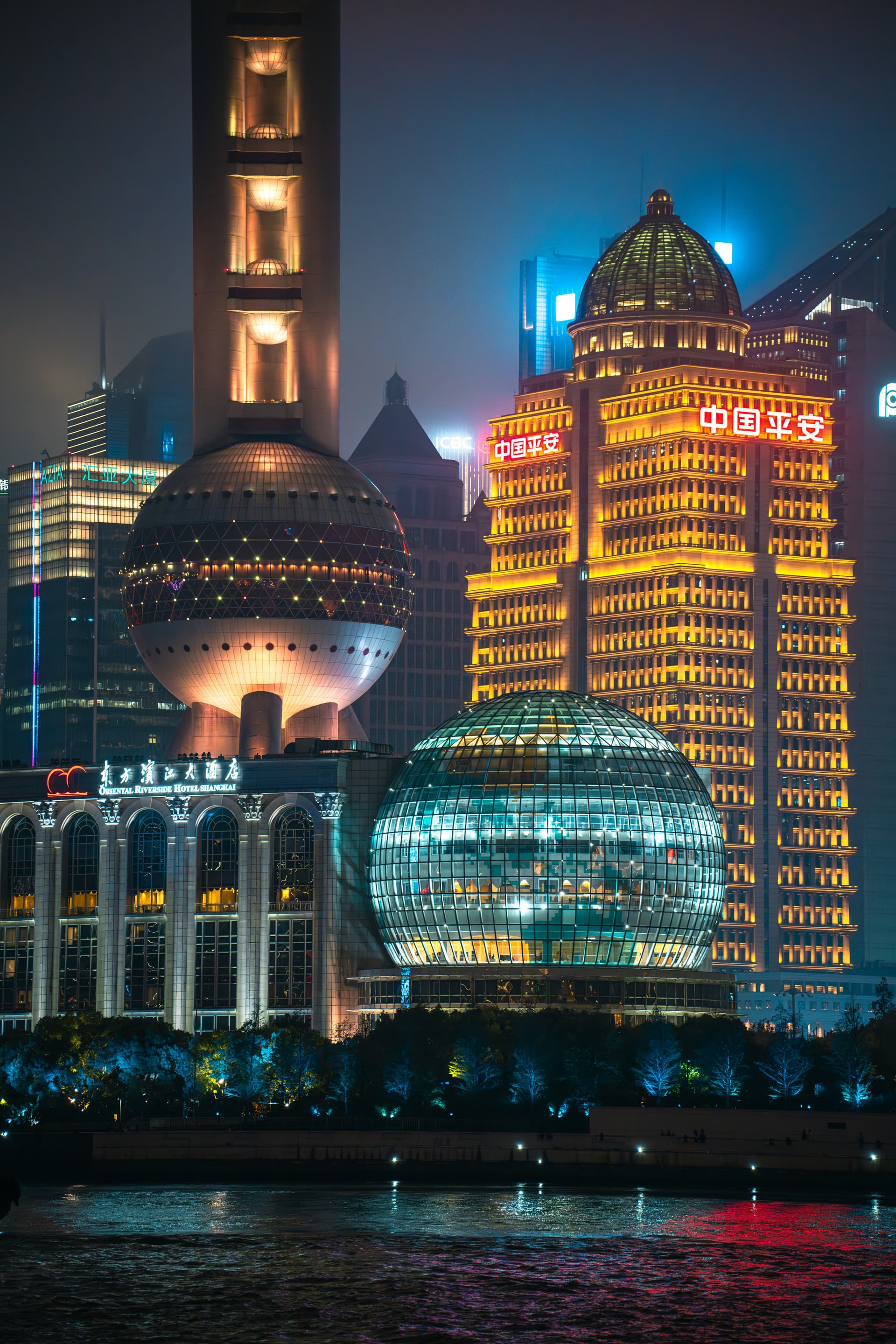
Looking for an unforgettable cultural experience in one of Asia's most vibrant cities? Shanghai opera houses offer stunning performances that blend Eastern traditions with Western classics. Whether you're planning your first opera visit or you're a seasoned enthusiast, this guide covers everything you need to know about experiencing Shanghai opera at its finest.
Understanding Shanghai's Opera Landscape
The Rise of Opera Culture in Shanghai
Shanghai has long been China's cultural gateway to the world. The city's love affair with opera in Shanghai began over a century ago when Western classical music first arrived on Chinese shores. Today, this dynamic metropolis stands as one of Asia's premier destinations for performing arts.
What makes Shanghai special? It's the beautiful mix of old and new. You'll find traditional Chinese opera performed alongside Mozart and Verdi. This cultural fusion creates something truly unique—a city where ancient Kunqu opera shares stages with cutting-edge contemporary productions.
The transformation didn't happen overnight. Starting in the early 1900s, Shanghai welcomed international performers and began building world-class venues. Local artists studied abroad and brought back new techniques. Chinese composers created works that honored their heritage while embracing Western musical forms.
Types of Opera Performances Available
Western Classical Opera 🎭
The big names are all here—Puccini, Mozart, Verdi, Wagner. Shanghai opera houses regularly stage these beloved classics with both international casts and talented Chinese performers. The production values rival anything you'd see in Milan or New York.
Chinese Traditional Opera 🎎
Don't miss the chance to experience authentic Chinese opera forms. Kunqu opera, recognized by UNESCO as a masterpiece of human heritage, features elaborate costumes and stylized movements. Peking Opera brings bold colors, acrobatics, and powerful vocals. These art forms date back hundreds of years.
Contemporary and Experimental Productions 🎨
Modern composers and directors are pushing boundaries. New works blend Chinese and Western instruments, traditional stories get fresh interpretations, and multimedia effects create immersive experiences. These innovative productions show that opera isn't stuck in the past.
Shanghai Opera Venues at a Glance
Quick Comparison Guide
- Best for First-Timers: Shanghai Grand Theatre
- Most Affordable: Shanghai Opera House
- Most Innovative: Oriental Art Center
- Family-Friendly: Culture Square
- Best Acoustics: Grand Theatre & Oriental Art
- Easiest Access: Grand Theatre (direct metro)
Virtual Tour: Inside Shanghai Grand Theatre
Take a virtual tour of Shanghai's most iconic opera house. This video showcases the stunning architecture, world-class facilities, and what makes this venue truly special.
Shanghai Grand Theatre: The Crown Jewel
Architectural Marvel
Picture a crystal palace rising from the heart of People's Square. That's the Shanghai Grand Theatre—an architectural masterpiece that's become the city's cultural symbol.
Designed by French architect Jean-Marie Charpentier, this stunning building opened in 1998. The curved glass roof represents a crystal serving tray, a traditional symbol of hospitality in Chinese culture. The white rounded exterior suggests a rising sun or a grand sailing ship—interpretations vary, but everyone agrees it's breathtaking.
Can you imagine the engineering involved? The main auditorium seats 1,800 people across three levels. The theatre features some of the finest acoustics in Asia, designed specifically to showcase both Western orchestras and traditional Chinese instruments. No amplification needed—every note reaches every seat with crystal clarity.
Visitor Experience
Smart seating choices make a huge difference. Orchestra seats offer the most prestige but come with premium prices. First balcony provides excellent sightlines at better value. Upper balcony seats cost less but might leave you squinting at distant performers—bring binoculars!
What should you wear? Shanghai opera audiences dress nicely but not formally. Business casual works perfectly. Some people wear suits and cocktail dresses for opening nights, but jeans and a nice shirt won't turn heads at regular performances.
Seating Guide: Where to Sit
Seating Recommendations
Shanghai Opera House: Modern Excellence
The Venue Overview
Not to be confused with the Grand Theatre, the Shanghai Opera House represents the city's commitment to traditional Chinese performing arts. Located in the Pudong district near Century Park, this modern facility focuses on preserving and promoting Chinese opera traditions.
The building's contemporary design incorporates traditional Chinese architectural elements. Clean lines and glass walls create an open, welcoming feeling. Inside, the main theatre seats around 1,100 guests in a horseshoe configuration that brings audiences close to performers.
Programming and Specialties
While the Shanghai Grand Theatre emphasizes Western opera with Chinese additions, the Shanghai Opera House flips that formula. The majority of productions showcase Chinese opera traditions—Kunqu, Peking Opera, Yue Opera, and other regional styles.
This focus makes the venue incredibly valuable. Chinese opera faces challenges attracting younger audiences, but this theatre works hard to keep traditions alive. Modern staging techniques make ancient art forms accessible to contemporary viewers.
Understanding Chinese Opera: A Beginner's Guide
New to Chinese opera? This comprehensive introduction explains the different styles, symbolism, and what makes traditional opera in Shanghai so unique and captivating.
Complete Visitor's Guide to Opera Houses in Shanghai
Ticket Booking Strategies
When to book? For major productions at the Shanghai Grand Theatre or Shanghai Opera House, book 2-4 weeks ahead. Popular shows sell out quickly, especially weekend evening performances. For lesser-known works, you might find good seats just days before.
Where to book? Official venue websites offer the safest option. Major Chinese ticketing platforms like Damai and SmartTicket work well and sometimes offer discounts. Third-party services add convenience but might charge fees. Avoid unofficial sellers—counterfeit tickets exist.
Getting There
Metro connections make reaching opera houses in Shanghai incredibly easy. The Shanghai Grand Theatre sits directly above People's Square Station, served by Lines 1, 2, and 8. You literally exit the train and take an elevator to the theatre—no weather worries!
The Shanghai Opera House connects to Century Park Station (Line 2) with a short walk. The Shanghai Oriental Art Center is near Science and Technology Museum Station (Line 2, Line 4). Culture Square has its own metro station on Lines 1 and 4.
Transportation Quick Reference
| Venue | Metro Station | Lines | Walk Time |
|---|---|---|---|
| Shanghai Grand Theatre | People's Square | Line 1 Line 2 Line 8 | Direct Access |
| Shanghai Opera House | Century Park | Line 2 | 5 minutes |
| Oriental Art Center | Science & Tech Museum | Line 2 Line 4 | 8 minutes |
| Culture Square | Culture Square | Line 1 Line 4 | Direct Access |
💡 Pro Tip: Download the Shanghai Metro app for real-time updates, route planning, and digital ticketing. All major opera venues in Shanghai are easily accessible via metro!
What to Expect
Duration varies significantly. Western operas typically run 2.5-3.5 hours including one or two intermissions. Chinese traditional operas can stretch longer—some classical Kunqu performances last 4+ hours. Check listings for specific timing.
Language considerations matter for full enjoyment. Western operas performed in Shanghai usually include Chinese subtitles projected above the stage. Some Chinese operas offer English subtitles, but not always—check before booking if language is important. Many venues provide program notes in multiple languages explaining the plot.
Photography policies are strict during performances. No photos, no videos, no exceptions. The rule protects performers' rights and prevents distraction. Security will ask you to delete photos if caught. Take pictures in the lobby before or after—those stunning architectural spaces make great memories!
Your First Opera Experience: What to Know
Nervous about your first Shanghai opera visit? This helpful guide covers everything from what to wear to when to applaud, ensuring you feel confident and enjoy the experience fully.
Making the Most of Your Shanghai Opera Experience
First-Timer Tips
Arrive early! Give yourself 30-45 minutes before curtain. This allows time for metro delays, finding the venue, collecting tickets, checking coats, locating seats, and settling in. Rushing creates stress and you might miss important pre-show announcements.
Program reading helps tremendously. Most venues provide free programs with cast information, plot summaries, and background notes. For opera in Shanghai performed in unfamiliar languages, reading the synopsis beforehand means you can focus on the performance rather than struggling with subtitles.
Etiquette Essentials 🎩
- Silence phones completely (vibrate isn't enough—the person next to you will hear)
- Unwrap cough drops before the performance starts
- Avoid strong perfumes or colognes
- Don't sing along, no matter how well you know the aria
- Hold applause until pieces end (follow the audience's lead)
- Stand for the final curtain call
- Don't leave until curtain calls finish—it's disrespectful
💰 Insider Money-Saving Strategies
🎫 Rush Tickets
Arrive at box office 2 hours before show time for deeply discounted unsold seats. Savings: 40-60%
📅 Weekday Matinees
Same production, same cast, 30-40% lower prices. Tuesday and Wednesday offer best deals.
👥 Group Bookings
10+ tickets qualify for 15-25% discounts. Organize friends or join online coordination groups.
📱 Social Media
Follow venues for flash sales, promo codes, and last-minute deals. Some venues offer follower-exclusive discounts.
🎓 Student Discounts
Valid student ID unlocks 20-40% off at most venues. Age limits vary by theatre.
📦 Season Packages
Buy 3-5+ shows together for 20-35% savings plus priority seating and other perks.
Beyond Opera: Complete Cultural Experience
Full-Day Itinerary Suggestion
- Morning: Visit Shanghai Museum or Urban Planning Exhibition Center near your chosen opera house in Shanghai
- Lunch: Try local specialties like xiaolongbao or Shanghainese cuisine in the neighborhood
- Afternoon: Explore parks, shopping, or architectural sites like the Bund or Yu Garden
- Early Dinner: Reserved table near the theatre (book in advance!)
- Evening: Shanghai opera performance
- After: Night walk to see illuminated city skyline from the Bund or riverside promenade
Nearby Attractions
Around Shanghai Grand Theatre: People's Square offers museums, parks, and architecture. The Shanghai Museum (free admission!) houses incredible ancient Chinese art. Nanjing Road shopping street stretches nearby—perfect for pre-show browsing.
Around Shanghai Opera House: Century Park provides green space for pre-performance walks. Shanghai Science and Technology Museum entertains families. The area features modern shopping centers with international restaurants. Pudong's riverside promenade offers spectacular skyline views.
📅 Best Times to Visit for Opera
Peak Season
Sept - Nov & March - May
- ✓ Most performances
- ✓ International tours
- ✓ Best weather
- ✗ Higher prices
Shoulder Season
Dec - Feb & June
- ✓ Good selection
- ✓ Better prices
- ✓ Smaller crowds
- ~ Variable weather
Summer Season
July - August
- ✓ Special festivals
- ✓ Outdoor events
- ✓ Lowest prices
- ✗ Fewer productions
Insider Secrets and Pro Tips
Want to experience Shanghai opera like a local? Here are secrets that regular attendees know:
Locals' Recommendations 💡
- Tuesday night performances at the Shanghai Grand Theatre often feature identical casts as weekend shows but cost 30% less
- The Shanghai Opera House café serves excellent dim sum—arrive early and enjoy brunch before matinee performances
- Free outdoor performances happen in Fuxing Park during summer months, sponsored by various opera companies
- Student rush tickets at most venues go on sale 2 hours before curtain—significant discounts for those with valid student ID
Hidden Gem Performances 🎁
- The Shanghai Conservatory of Music hosts frequent student and faculty performances at minimal cost—future stars before they're famous!
- Small experimental theatres in Tianzifang and Xintiandi occasionally stage innovative opera productions in intimate settings
- Check cultural calendar during Chinese festivals—special opera performances in Shanghai celebrate traditional holidays with rare works
Best-Kept Secrets 🤫
- The Shanghai Grand Theatre sometimes allows backstage tours for free if you politely ask during non-performance hours
- Restaurant workers near opera houses in Shanghai often have connections for last-minute tickets
- Weather affects attendance—rainy nights sometimes mean better seat upgrades when others cancel
- November and December offer best programming as venues compete for year-end attention
- Learning just a few Chinese phrases for "bravo" and "encore" delights performers and audiences
Conclusion
Shanghai opera represents one of the world's great cultural treasures. Whether you choose the grand elegance of the Shanghai Grand Theatre, the traditional authenticity of the Shanghai Opera House, or the innovative programming at other venues, you're in for an unforgettable experience.
Key Takeaways ✨
- Book ahead for popular shows but explore last-minute deals for flexibility
- Arrive early to fully enjoy the venue and settle in comfortably
- Try different venues to experience the full range of Shanghai's opera scene
- Combine with dining and sightseeing for a complete cultural day
- Check accessibility options if needed—venues are accommodating and prepared
- Follow venues on social media for special offers and programming updates
- Don't skip Chinese opera—it's a unique experience you won't find elsewhere
- Dress comfortably but nicely—you're attending a special event
- Read program notes to enhance understanding and appreciation
- Embrace the experience fully—phones off, mind open, heart ready
The magic of opera houses in Shanghai awaits. These stunning venues, world-class performers, and incredible productions combine to create moments you'll remember forever. Whether this is your first opera or your hundredth, Shanghai's stages offer something special.
Book your tickets, mark your calendar, and prepare for an evening of extraordinary artistry. The curtain is about to rise on your Shanghai opera adventure! 🎭✨