
Shanghai Gubei Area: 12 Things You Must Know in 2025
Discover Shanghai's Gubei Area — the top expat community guide covering food, living, transport, and hidden gems in this international neighborhood.
Posted by
 Vangelis
Related reading
Hangzhou Day Trip: 12 Best Things to Do (2025 Guide)
Plan the perfect Hangzhou day trip with our complete guide. Explore West Lake, ancient temples, tea villages & more — just 45 min from Shanghai.
Anime in Shanghai: 15 Things Every Fan Needs to Know
From ChinaJoy to Bilibili World, the Animate flagship store to hidden otaku alleys — your complete guide to the shanghai anime scene, events, shops, culture, and tips for visiting fans.
Shanghai Bund Waterfront: The Complete Visitor Guide
Discover Shanghai Bund Waterfront with expert tips, historical building guides, photography spots, and a step-by-step walking tour plan.
Qibao Waterfront Day Trip: 12 Things to Do & See
Plan the perfect Qibao Waterfront day trip from Shanghai. Discover canal rides, street food, temples & hidden gems in this complete guide.
15 Things You Need to Know About Street Art in Shanghai
Discover the best street art in Shanghai — from M50 Creative Park to hidden Tianzifang alleys. Your complete guide to murals, graffiti, artists, and neighborhoods.
9 Best Zoos and Animal Attractions in Shanghai You Have to Visit
Planning a trip to Shanghai and wondering where to see amazing animals? From giant pandas at Shanghai Zoo to open safaris at Shanghai Wild Animal Park, this complete guide covers every top wildlife attraction in the city.
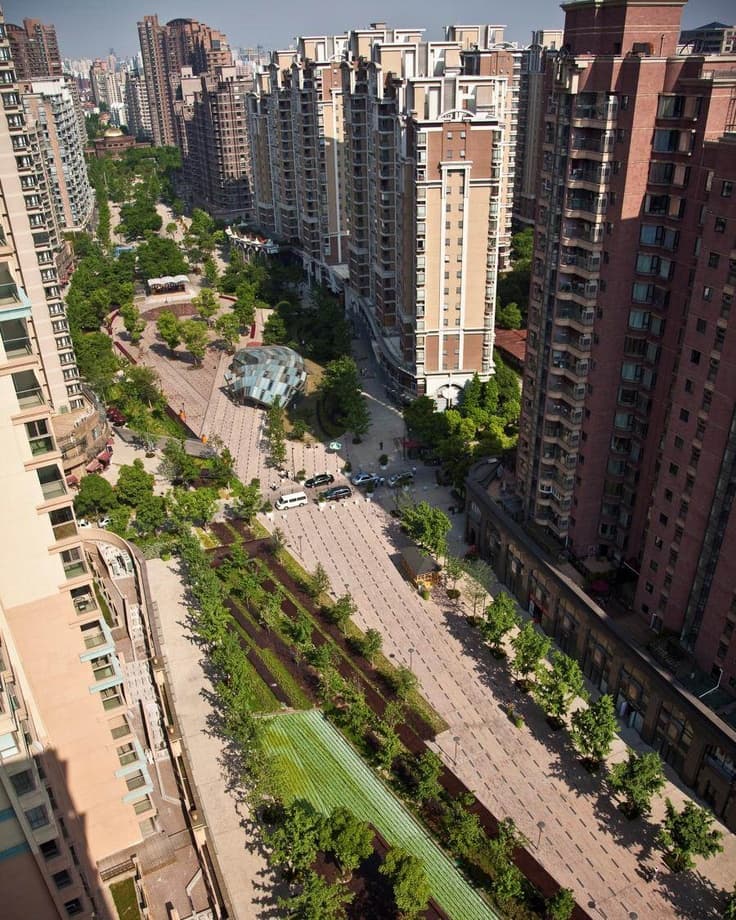
Imagine stepping off the metro into a neighborhood where Japanese ramen shops sit next to Korean BBQ joints, where tree-lined streets are filled with kids in international school uniforms, and where the smell of freshly brewed matcha drifts out of a cozy kissaten café. Welcome to the Shanghai Gubei Area — a place locals often call Shanghai's most comfortable international village.
With more than 30,000 registered foreign residents packed into a relatively compact part of western Puxi, Gubei isn't just a neighborhood. It's a fully functioning international community with its own rhythm, its own food culture, and its own unwritten rules. Whether you're a newly arrived expat trying to get your bearings, a tourist looking for something beyond the Bund, or a family considering a move to Shanghai, this guide covers everything you need to know.
Below you'll find 12 things you must know and do in Gubei, plus practical living tips, transport advice, and a straight-up comparison with other Shanghai expat zones. Let's get into it.
What Is the Gubei Area in Shanghai?
Location and Boundaries of Gubei
The Gubei Area sits in Changning District, on the western side of Puxi. Its rough geographic boundaries are:
- North: Yan'an Elevated Road
- South: Huqingping Highway
- East: Hongqiao Road
- West: Gubei Road
This places it comfortably close to the action without being in the thick of downtown chaos. You're about a 12-minute drive from Hongqiao Airport, which makes it a dream for business travelers who are constantly flying in and out of China. Downtown Puxi landmarks like Jing'an Temple and People's Square are roughly 20–30 minutes away by metro.
If you're looking at a map, think of Gubei as sitting just east of the massive Hongqiao Transport Hub — close enough to enjoy excellent connectivity, far enough to feel like a quiet, livable residential zone.
A Brief History of Gubei's Development
Gubei wasn't always the cosmopolitan hub it is today. In the early 1990s, it was developed as a planned international residential zone, designed from the ground up to attract foreign corporations and their employees. The infrastructure — wide roads, gated compounds, international-grade utilities — was built with foreigners in mind.
The real turning point came in the early 2000s, when a wave of Japanese corporate investment rolled into Shanghai. Companies like Sony, Toyota, and hundreds of smaller Japanese firms set up regional headquarters nearby, and their employees needed somewhere to live. Gubei became that place. Japanese restaurants, supermarkets, schools, and cultural associations followed.
By the 2010s, the neighborhood had evolved into a genuinely multi-national enclave. Koreans, Taiwanese, Americans, and Europeans arrived in large numbers. Today, Gubei is widely recognized as Shanghai's most established expat neighborhood — not the trendiest, not the cheapest, but arguably the most complete.
Who Lives in Gubei? Understanding the International Community
Expat Demographics and Nationalities
The Gubei International Community Shanghai is one of the most diverse in Asia — but with a clear hierarchy of nationalities.
Japanese expats make up roughly 40% of the foreign resident population, making Gubei home to one of the largest Japanese communities outside of Japan. Walk down Shuicheng Road on a Saturday morning and you might genuinely forget you're in China.
After Japanese residents, the breakdown looks roughly like this:
- Korean: ~15–20%
- Taiwanese: ~10–15%
- American and Canadian: ~8–10%
- European (German, French, British): ~8–10%
- Other Asian nationalities: remaining percentage
Across the broader Hongqiao-Gubei corridor, InterNations and similar expat survey organizations estimate there are over 50,000 foreign residents when you include adjacent areas like Hongqiao and Tianshan.
🎥 Life in Shanghai's Gubei Expat Neighborhood — A Walking Tour
Why Families Choose Gubei Over Other Shanghai Districts
The Gubei expat neighborhood in Shanghai has a particular reputation for being family-friendly, and there are solid reasons for that.
International schools are a huge draw. Within 10–20 minutes of Gubei, you'll find:
- Concordia International School Shanghai (American curriculum)
- Huili School Shanghai (British curriculum)
- Shanghai Japanese School (serving the Japanese community)
- Wellington College International Shanghai (nearby Hongqiao)
- Shanghai Community International School (SCIS) — multiple campuses
Beyond schools, families cite low-traffic residential streets, a general sense of safety, and an abundance of green spaces as reasons they chose Gubei over trendier alternatives like the French Concession or Xintiandi. Those neighborhoods are fun for young professionals. Gubei is practical for people with kids and school runs.
Getting Around — Transport and Connectivity
Metro Lines Serving Gubei
Getting around from Gubei is straightforward once you know your stations.
Line 2 is the most useful metro line for Gubei residents. Loushanguan Road Station drops you right into the commercial heart of the neighborhood. Zhongshan Park Station is just two stops east and connects you to Line 3 and Line 4.
- Line 3 runs north-south through Puxi — useful for reaching areas like Jiangwan Town and Hongqiao.
- Line 4 is a loop line giving access to the inner ring of the city.
Most of the main residential compounds in Gubei are within a 10–15 minute walk from Loushanguan Road Station. If you're in one of the larger gated communities toward the western edge of the area, expect a slightly longer walk or a quick taxi ride.
Buses, Taxis, and Rideshare Options
Didi (China's dominant rideshare app) is your best friend if you don't speak Mandarin. The app has an English-language interface, and as of 2025, foreigners can register using international phone numbers and foreign credit cards. Pro tip: always screenshot your destination address in Chinese characters to show the driver if the app has any issues.
Key bus routes serving the Gubei area include Route 941 and the 龙漕线, which connect the neighborhood to broader Changning and Minhang Districts. Hello Bike (哈啰单车) docking stations are scattered throughout Gubei, making short cycling trips easy and inexpensive.
12 Top Things to Do in Shanghai's Gubei Area
This is the heart of this guide. If you're searching for things to do in Gubei Shanghai, here is your definitive list — from food adventures to day trips, cultural immersion to fitness.
1. Don't Be Fooled: Gubei Water Town Is NOT Here
Let's clear something up immediately. If you searched "Gubei" and landed on images of a gorgeous Ming-dynasty-style water town with stone bridges and lanterns — that's Gubei Water Town (古北水镇), and it's located near Miyun, Beijing, about 130 kilometers from downtown Beijing.
It has absolutely nothing to do with Shanghai's Gubei Area, other than sharing part of a name. This mix-up catches a lot of travelers off guard. If you want the water town experience near Shanghai, check out Zhujiajiao in Qingpu (covered in the day trips section below).
2. Shop at Loushanguan Road Commercial Strip
Loushanguan Road is Gubei's main commercial artery, and it delivers. You'll find everything from international high-street brands to Japanese specialty shops, Korean cosmetic chains, and lifestyle stores that cater specifically to the expat crowd.
Ito-Yokado, the Japanese supermarket chain, is a landmark here. It stocks Japanese groceries, fresh sashimi, imported snacks, and household goods that you'd struggle to find elsewhere in Shanghai. Japanese bookstores and stationery shops fill the gaps.
3. Visit Zhongshan Park
Just 0.8 kilometers from the Gubei core, Zhongshan Park is one of Shanghai's most underrated green spaces. It's not as famous as Century Park in Pudong, but it's beloved by locals.
- March–April: Cherry blossoms line the main paths. Families and photographers fill the park.
- October–November: Autumn foliage turns the park golden.
The park connects directly to the Long Zhi Meng mall complex, so you can combine a morning walk with a coffee or lunch stop.
4. Dine at the Gubei Japanese Food Quarter
If there's one thing Gubei is truly famous for in Shanghai, it's the food — specifically Japanese food. The stretch of Shuicheng Road and surrounding streets hosts over 200 Japanese restaurants, ranging from hole-in-the-wall ramen joints to full-service izakayas with extensive sake menus.
Must-try experiences in this world-class Gubei restaurants and food Shanghai scene:
- Tonkotsu ramen at any of the authentic Japanese-run shops
- Izakaya culture — order small plates, drink Sapporo, and stay for hours
- Conveyor belt sushi — multiple kaiten-zushi restaurants operate here
💴 Budget Range
- Casual ramen lunch: ¥50–¥120 per person
- Sit-down Japanese dinner: ¥120–¥200 per person
- Full izakaya evening with drinks: ¥150–¥300 per person
🎥 Exploring Gubei's Japanese Food Quarter — Shanghai's Best Ramen and Izakayas
5. Experience Gubei's Korean Food Street
Near the Tianshan Road corridor, a cluster of Korean restaurants and businesses has grown into a mini Korea Town. Korean BBQ restaurants here tend to be excellent — often run by Korean families rather than Chinese-owned imitations.
Look for:
- Samgyeopsal (Korean grilled pork belly) restaurants
- Sundubu jjigae (soft tofu stew) on cold winter evenings
- CU and GS25 convenience stores — Korean chains now operating in Shanghai, a cultural curiosity in themselves
6. Browse Tianshan Tea City
Tianshan Tea City (天山茶城) is one of Shanghai's largest markets for tea, teaware, and Chinese antiques. It's a proper labyrinth of vendors selling everything from loose-leaf oolong to antique clay teapots.
- Bargaining is expected: Start at 50–60% of the asking price.
- Aged pu-erh claims: Be cautious — counterfeits are common.
- Sample before you buy: Genuine vendors are happy to brew samples.
7. Discover the Hidden Expat Café Scene
Living in Gubei Shanghai means becoming a regular at one of its many independent cafés. The neighborhood has developed a café culture that's distinctly different from the Instagram-heavy Xintiandi scene.
- Japanese kissaten-style cafés: Quiet, precise, excellent single-origin coffee, no loud music
- Australian-style brunch spots: Avocado toast, flat whites, open on weekends until mid-afternoon
- Co-working-friendly cafés: Good WiFi, long tables, plenty of power outlets for digital nomads
8. Attend Community Events at Expat Clubs
Gubei has a surprisingly active community events calendar. Key organizations include:
- Rotary Club Shanghai West — regular meetings, charitable events, strong business networking
- International Women's Club of Shanghai — one of the oldest expat women's organizations in the city
- National community associations — Japanese Chamber of Commerce, Korean Business Association, AmCham
For real-time events, join the relevant WeChat community groups — there are dozens of neighborhood-specific groups for Gubei and broader Hongqiao that post about everything from school fairs to restaurant openings.
9. Visit the Hongqiao Pearls and Jewelry Market
About 10 minutes from the Gubei core, Hongqiao International Pearl City is one of Shanghai's most famous specialist markets. It sells freshwater pearls, jade, silver jewelry, and gemstones at prices far below retail.
- What to buy: Freshwater pearl necklaces and bracelets are genuinely good value.
- What to avoid: "Jade" at suspiciously low prices — most cheap "jade" is dyed quartzite.
- Negotiation tip: Always get at least two quotes before committing. The market is competitive.
10. Fitness and Wellness in Gubei
The Gubei expat neighborhood has excellent fitness infrastructure. Options include:
- Pure Fitness — premium international gym with top equipment and group classes
- Boutique yoga and pilates studios — several Japanese-influenced and Western-style studios, many with English-speaking instructors
- Weining Road green corridor — a favorite route for early morning runners and cyclists
11. Weekend Day Trips from Gubei
Gubei's location in western Shanghai makes it an ideal launchpad for day trips:
- Zhujiajiao Ancient Water Town (朱家角): 40 minutes by car. This is the real water town experience near Shanghai — stone bridges, canal boats, and centuries-old architecture.
- Sheshan National Forest Park: 30 minutes south. A rare green hill in flat Shanghai, with a famous Catholic basilica at the summit.
- Jiading Automobile Museum: 25 minutes north. A world-class car museum with rotating international exhibitions.
🎥 Best Day Trips from Gubei Shanghai — Zhujiajiao Water Town and Beyond
12. Evening Entertainment and Nightlife
Gubei at night has its own flavor — distinctly different from the Bund or nightclub-heavy areas around Jing'an.
- Japanese bar streets: Small izakayas and yakitori joints that stay open until midnight or later
- Family-friendly evening markets: Seasonal food stalls and community markets that feel more neighborhood fair than tourist trap
- Korean karaoke (KTV): Several norebang-style private room karaoke venues cater to the Korean community
Compared to the Bund or Xintiandi, Gubei's nightlife is quieter and more residential in feel. It's the kind of place where you end a Tuesday evening with a cold beer and yakitori skewers rather than a cocktail at a rooftop bar. Most residents eventually love that.
Living in Gubei — Practical Expat Guide
Housing and Rental Costs in Gubei (2024–2025 Data)
Gubei sits in the mid-to-premium range of the Shanghai rental market. Here's a realistic breakdown:
| Property Type | Monthly Rent (CNY) | USD Equivalent |
|---|---|---|
| Studio / 1-bedroom | ¥6,000–¥10,000 | ~$830–$1,380 |
| 2-bedroom family apartment | ¥15,000–¥25,000 | ~$2,070–$3,450 |
| Luxury compound (serviced) | ¥30,000–¥60,000+ | ~$4,140–$8,280+ |
Premium compounds like Regents Park, Mandarine City, and Sun Island sit at the top end of that scale, offering pools, gyms, concierge services, and expat-friendly management. Compared to similar-quality housing in Jing'an, Gubei is typically 10–20% cheaper.
International Schools Near Gubei
School placement is often the first thing families research when considering a move to Gubei. Here are the key options within a reasonable commute:
- Concordia International School Shanghai — American curriculum, well-regarded for university placements
- Huili School Shanghai — British curriculum, strong arts and sports programs
- Shanghai Japanese School — Japanese national curriculum, primarily serves the Japanese expat community
- Wellington College International Shanghai — Premium British-style education in nearby Hongqiao
Healthcare for Expats in Gubei
Healthcare access is excellent in and around Gubei. Key options include:
- Parkway Health Hongqiao Medical Center — International-standard private clinic, English-speaking staff, very popular with expats
- United Family Healthcare — Nearest branch is a short Didi ride away; handles complex cases
- Tongren Hospital — Strong local Chinese hospital option for straightforward cases at significantly lower cost
Most expats in Gubei carry international health insurance through their employer or private providers like Cigna, AXA, or Bupa. Without coverage, private clinic consultations typically run ¥500–¥1,500 per visit.
Banking, Admin, and Daily Life Logistics
Setting up financial infrastructure in Shanghai takes patience, but Gubei's expat-heavy environment makes it easier than most areas:
- HSBC and Citibank branches operate in the Gubei-Hongqiao corridor and offer English-language banking services.
- WeChat Pay and Alipay — As of 2025, both platforms have updated rules allowing foreigners to link international credit cards. This is now far simpler than it was even two years ago.
- Visa extension offices: The nearest exit-entry bureau is in Changning District, roughly 15–20 minutes from Gubei center.
Gubei vs. Other Shanghai Expat Neighborhoods
Gubei vs. French Concession
These two neighborhoods represent very different expat experiences:
| Factor | Gubei | French Concession |
|---|---|---|
| Vibe | Modern, family-oriented, functional | Historic, trendy, artsy |
| Food Scene | Japanese & Korean dominant | Western cafés, brunch culture |
| Rent (2BR) | ¥15,000–¥25,000/mo | ¥18,000–¥30,000/mo |
| Best For | Families, corporate expats | Young professionals, creatives |
| Walkability | Good in core area | Excellent |
Gubei vs. Pudong Expat Zone (Jinqiao/Lujiazui)
The Puxi vs. Pudong debate is one every Shanghai expat eventually has:
- Gubei (Puxi): More walkable, better street-level culture, closer to independent restaurants and markets
- Jinqiao (Pudong): More spacious, larger houses with gardens, better for families with cars, suburban feel
- Lujiazui (Pudong): Finance-focused, high-rise apartments, spectacular skyline views but lacks neighborhood character
🏆 The Verdict
For expats who want a complete, walkable international community with outstanding food, good transport links, and family infrastructure — Gubei is hard to beat. For those who prioritize cutting-edge nightlife and Western café culture, the French Concession edges it. For those needing a garden and space for kids to run, Jinqiao in Pudong is worth considering.
🗺️ Key Takeaways: Everything You Need for the Shanghai Gubei Area
Whether you're visiting, relocating, or simply curious about what makes this corner of western Puxi tick, here's your quick-reference summary:
- ✅ Location: Changning District, western Puxi — 12 min from Hongqiao Airport, 20–30 min to downtown
- ✅ Community: 30,000+ expats; predominantly Japanese (40%), Korean, Taiwanese, Western
- ✅ Food highlight: 200+ Japanese restaurants on Shuicheng Road — the best Japanese dining in Shanghai
- ✅ Don't miss: Tianshan Tea City, Loushanguan Road shops, Zhongshan Park cherry blossoms
- ✅ Day trips: Zhujiajiao Water Town (40 min), Sheshan Park (30 min), Jiading Auto Museum (25 min)
- ✅ Rentals: ¥6,000–¥10,000/month for a studio; ¥15,000–¥25,000 for a family 2BR
- ✅ Best for: Families, corporate expats, Japanese and Korean community members, anyone who loves great Asian food
- ✅ Metro: Line 2 to Loushanguan Road Station is your primary connection
The Shanghai Gubei Area rewards those who take the time to explore beyond the main commercial strip. The real magic is in the side streets — a Japanese grandmother running a tiny soba shop, a Korean family barbecue spot with no English menu but the best galbi in the city, a community park where toddlers from six different countries play together on a Saturday morning.
That's what makes Gubei genuinely special. It's not the trendiest neighborhood in Shanghai. But it might just be the most livable.
Have you spent time in Gubei? Whether you're a long-term resident or a first-time visitor, we'd love to hear what you discovered. Drop your recommendations in the comments — the best insider tips always come from the community itself. 🏮